
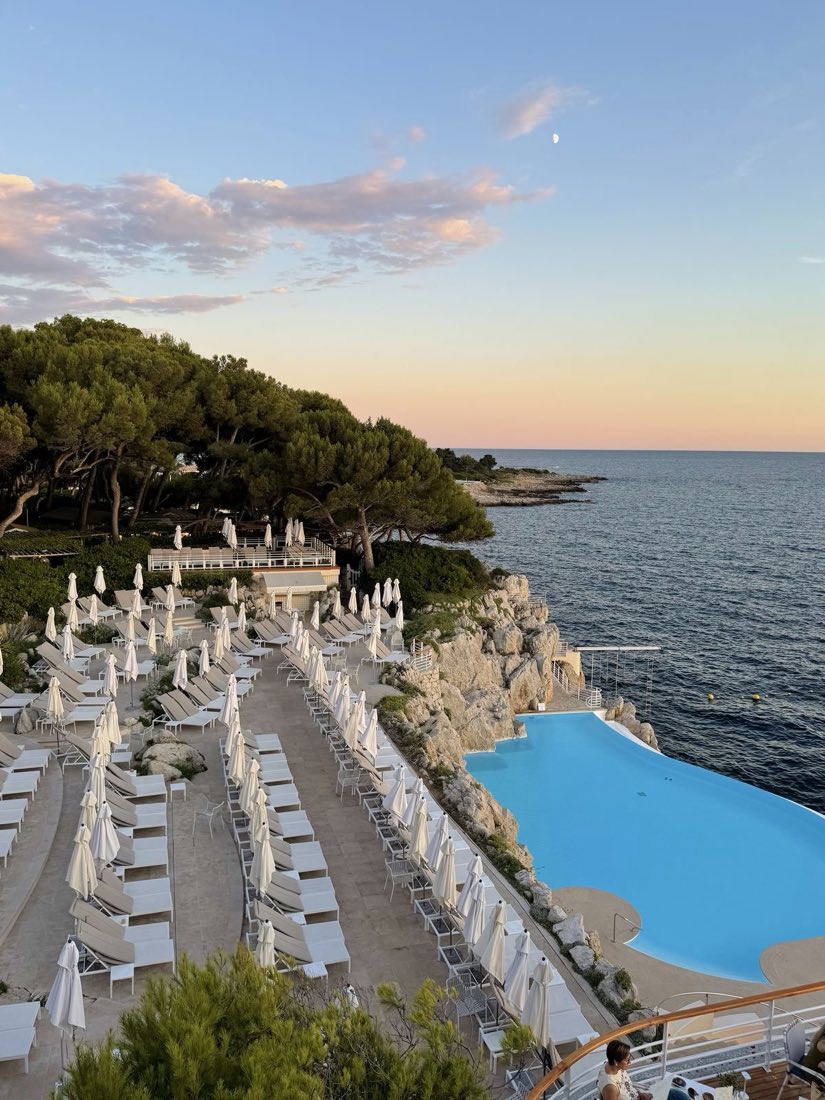
There is a particular photo everyone seems to have taken this summer: the walk down to the pool at Hôtel du Cap-Eden-Roc, sunset at Scorpios in Mykonos, the 3pm table at La Guérite in Cannes, the slot regulars know to book months out, because 3pm is when the light and the crowd both peak at once. Swipe through enough of them and you notice it’s always the same handful of places. None of them are secrets, exactly, and none of them are trying to be, but the number of people who now know exactly which table, which platform, which hour to ask for has grown a lot faster than the tables themselves.
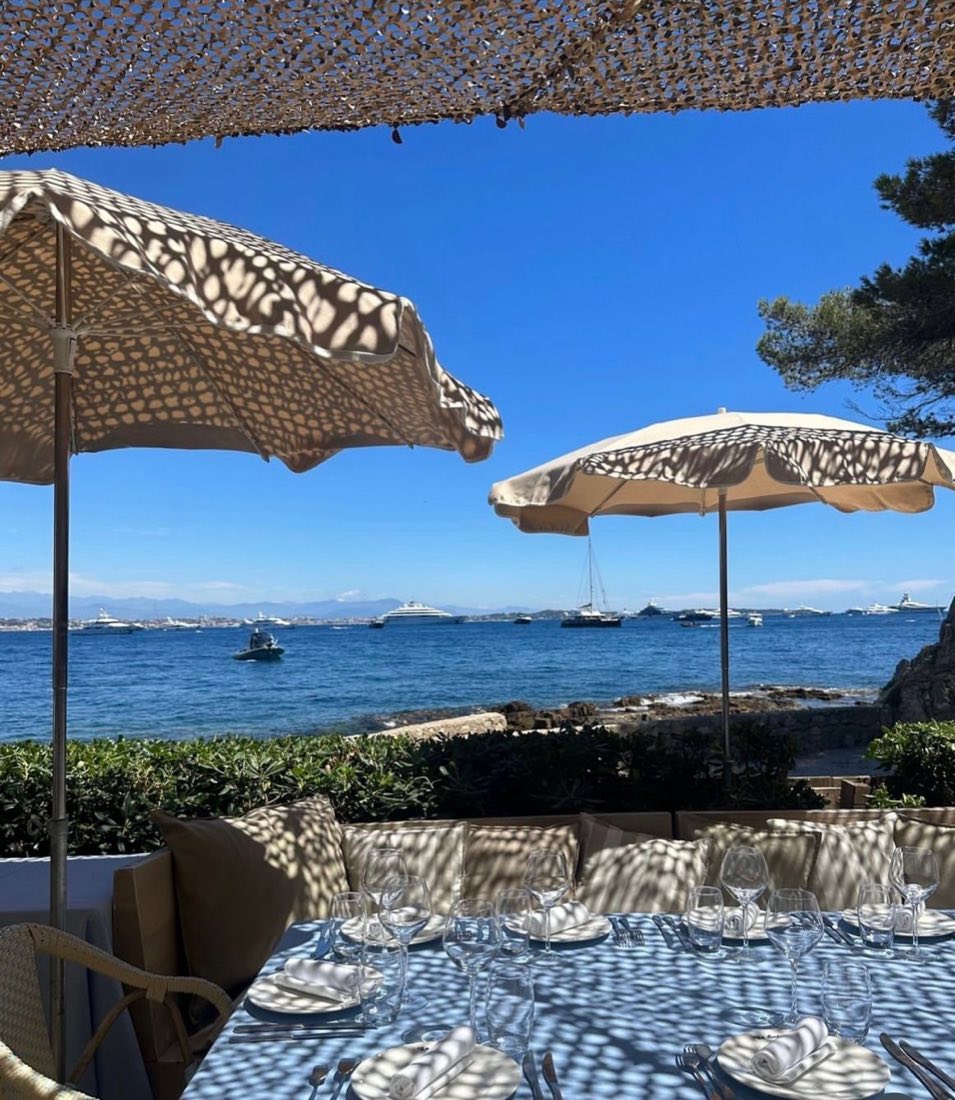
The 3pm view, worth the wait.
“Euro summer” has become one of the defining travel trends of the last few years, built around a small, familiar cast that regulars have known for decades, alongside newer arrivals chasing the same scene. Some of these spots have been drawing the same kind of crowd since the 1950s. What’s new isn’t that people know about them. It’s the speed at which knowing about them spreads, and what happens once a few million people online are aiming for the exact same table at the exact same hour.
The Algorithm Doesn’t Discover Anything
A decade ago, a beach club might take a few summers to build the kind of reputation that fills every table at the best hour. Now a single fifteen-second video can send tens of thousands of people looking for the exact same reservation within a week. It isn’t really about who’s watching: the platforms serving these places up aren’t built to find anything new, only to repeat whatever already worked. A place doesn’t go viral because it’s undiscovered. It goes viral because the algorithm already knows it performs.
The Spritz Test
A useful, slightly cheeky way to measure what’s actually changed: price. A spritz that ran a fraction of today’s price a few summers ago now regularly clears twenty euros at the clubs everyone’s posting from, not because the recipe improved, but because these places have gotten very good at reading a room, or in this case, a comment section. Which raises the obvious question, even without a clean answer: is a place still luxurious once everyone knows the exact table to ask for? Scarcity used to be part of what made these spots feel special: a table, a view, a booking not everyone had access to. When millions of people online are aiming for the same 3pm reservation at La Guérite, that particular kind of scarcity is gone, price tag or not. What’s arguably taken its place is a blunter kind of gatekeeping: you can still get the table, you just pay considerably more, and plan considerably further ahead, for the privilege of sitting in the spot everyone photographed last week. Getting the 3pm at La Guérite has, by now, become its own kind of status object, the new Birkin, except the waitlist runs through a booking system instead of a boutique.
Chasing the Shot
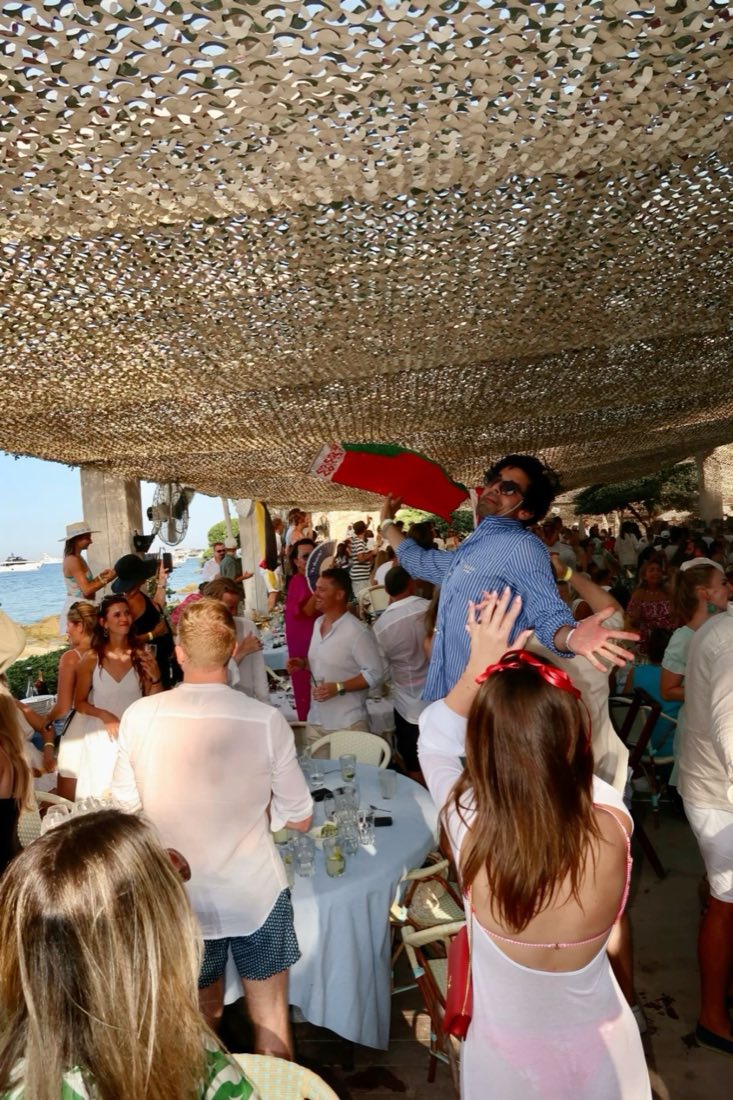
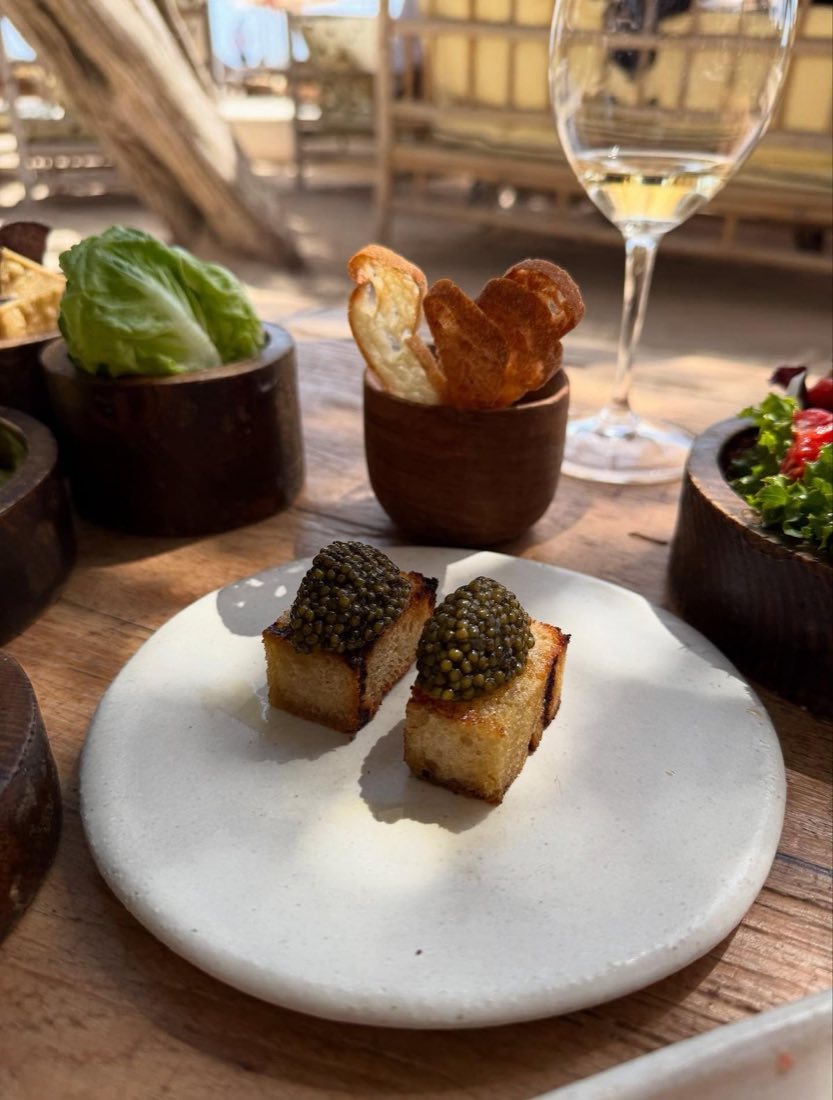
For a real share of this summer’s visitors, the destination itself is almost secondary: they’re there for the fifteen seconds it takes to get the shot that proves they were. The caviar pasta at Jondal, in Ibiza, gets photographed roughly as often as it gets eaten while still hot. Breakfast at Sénéquier in Saint-Tropez has become as much about who’s at the terrace, and in what, as about the coffee itself, which is really just the terrace doing what a good terrace has always done, only now with a bigger audience watching.
None of which changes the oldest rule of the French Riviera, algorithm or no algorithm: you can queue for an hour with everyone else, or you can ask for a table in fluent French and watch someone glide past you to one that just opened up. Some gates were never going to be solved by a good caption, which, honestly, is sort of the charm of the place.
Next in Line
As the established spots fill past capacity, a shortlist of alternative coastlines keeps coming up as the next destination to watch. Albania’s Riviera, particularly Ksamil and Sarandë, has picked up serious attention for water that looks close enough to Greece’s at a fraction of the price. Montenegro’s Bay of Kotor and Budva get mentioned for similar reasons, helped along by the yachting infrastructure already in place around Porto Montenegro. Whether any of them actually becomes the next Positano is genuinely unclear, but the pattern repeats itself with almost comic reliability: attention drifts toward whatever still looks like the old spots did a decade ago, right up until it doesn’t anymore.
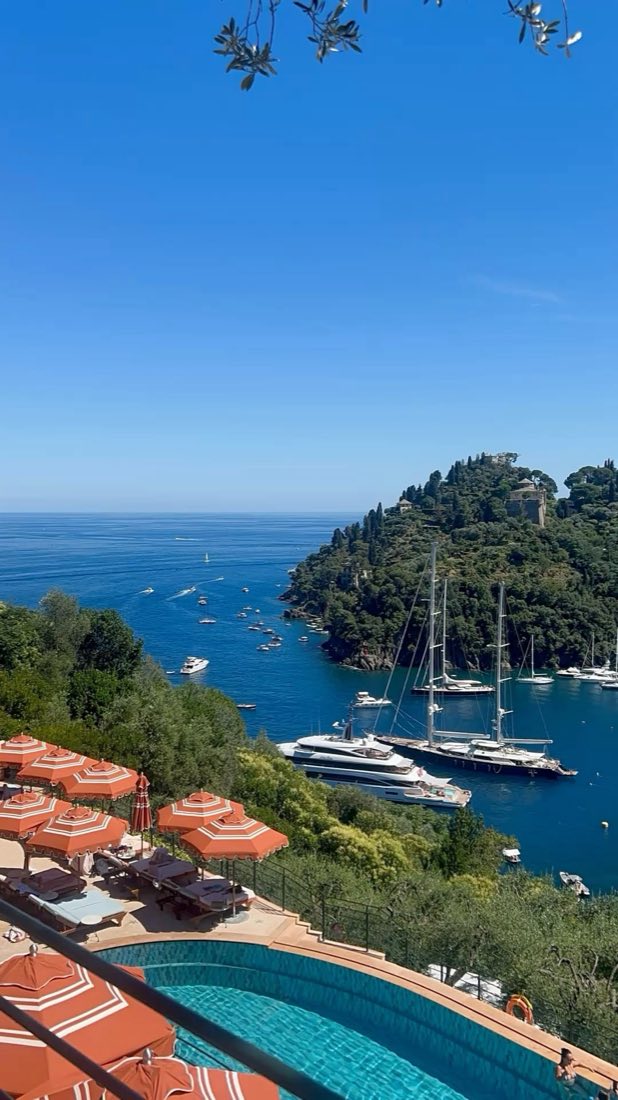
Somewhere that still looks like the old spots did a decade ago.
What’s Left When the Feed Moves On
None of this means a Mediterranean summer has stopped being worth having: if anything, it’s proof of exactly the opposite. Nobody fights this hard over a spritz or a 3pm table for somewhere that isn’t genuinely wonderful. The good version of it is still there, sometimes right where it always was, sometimes a few doors down: the beach club that never got geotagged because the owner asked, politely, not to be; a lunch at 1pm instead of 3, because the food is the same and the table doesn’t need booking eleven months out; a week with nothing photographable scheduled at all. Eden-Roc, Scorpios and La Guérite will keep filling up every July regardless, and honestly, deservedly so: most people who make it in will have a genuinely wonderful time. It’s just that “Euro summer” as a caption and Euro summer as it’s actually lived have become two slightly different holidays that happen to share a hashtag, and knowing the difference is half the fun.